2026: The Perfect Storm Between Global Tech and National Reality
Choosing technology is a strategic decision.
A booking engine defines the level of control, efficiency, and growth your operation can sustain over the long term.

PRIMARIU
12 Jan 2026
•3 min read


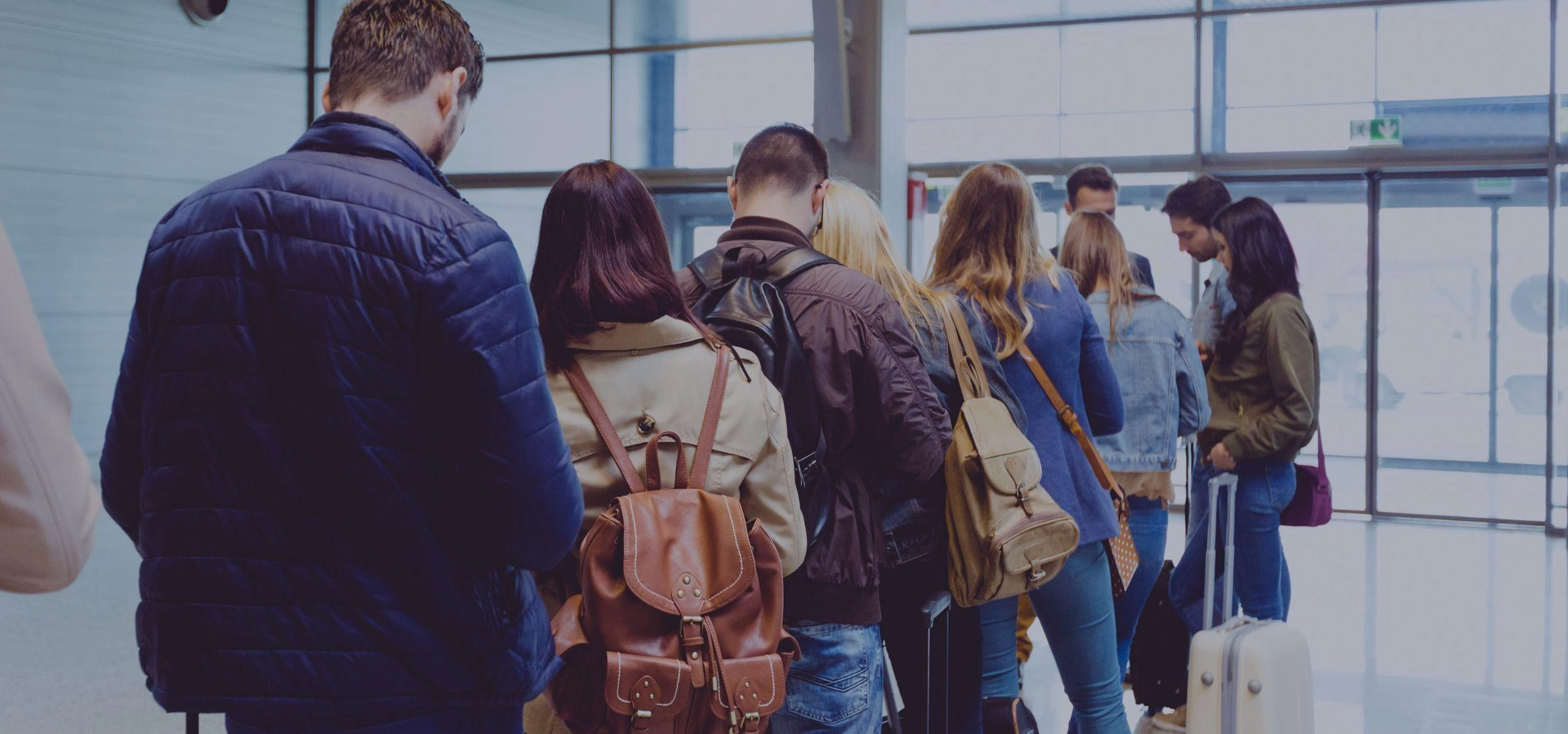
The guest journey begins long before the activity itself.
Reading trend reports in isolation often creates a false sense of security. However, when we cross-reference Arival’s global projections for 2026 with the latest sentiment data from Tourism of Portugal (October 2025), the scenario shifts from a mere forecast to an operational ultimatum.
This isn't about the distant future. It is about an immediate discrepancy between the speed of the consumer and the inertia of the average tourism supply in Portugal.
At PRIMARIU, we are witnessing the practical impact of these numbers on the ground. By combining this data with our implementation experience among national operators, we have identified three friction points that will determine who gains market share in the coming year.
Recent Arival data shows this isn’t a temporary shift. In 2026, the decline of direct bookings reflects a deeper structural change in how travel is discovered, compared, and purchased.
1. AI is no longer a curiosity (it drives 10% of demand)
While many operators are still debating basic digitalization, travelers have already changed how they plan.
Global data points to technological acceleration, but it is the Tourism of Portugal report that grounds this reality: 10% of travelers are already using AI tools to plan trips to Southern Europe.
This validates what we see in our clients' traffic management: technical invisibility is expensive. If inventory is not structured and API-connected, the operator becomes invisible to the algorithms these 10% are using. Our approach has been clear: more than just beautiful websites, it is imperative to build data architectures that machines can read. In 2026, being "machine-readable" is a commercial prerequisite.
The practical takeaway is simple: AI doesn’t send traffic the way search used to. It pre-selects. And that pre-selection depends on structured inventory, real-time availability, and data that platforms can actually read.
2. Margin Compression: Price Sensitivity vs. Cost of Acquisition
There is a head-on collision between two critical financial metrics. On one hand, the Cost of Acquisition (CAC) via paid channels continues to rise, as do OTA commissions. On the other, sentiment analysis identifies "Rising travel costs" as the number one concern for tourists in Portugal (21%).
This tension creates a mathematical trap. Operators relying exclusively on resale (OTAs) or cold traffic will run out of maneuvering room: either they absorb the costs and lose profitability, or they raise prices and lose the value-sensitive customer.
The solution we implemented, which generated audited growth of 168% for one of our clients, involves creating an owned ecosystem. The only way to survive this squeeze is to own the sales channel and the customer data, reducing dependence on digital "rents" paid to third parties.
Direct bookings don’t fall because people stop travelling. They fall because the unit economics collapse first in the channels you don’t fully control.

3. The end of the "Package": The rise of the FIT and the TourOS response
National data confirms the decline of the mass model. 57% of travelers to Portugal plan to travel as FITs (Free Independent Travelers).
The rise of FIT doesn’t automatically favour direct bookings. It rewards operators who can break products apart, recombine them, and distribute them across multiple touchpoints. OTAs scaled precisely because they solved this first.
This corroborates the global thesis on the commoditization of experiences. The independent tourist flees from the generic. They actively seek Nature (14%) and Culture (20%), but they want to do it on their own terms, in a fragmented way.
For the operator, this demands the end of "static tours." The market demands modular and flexible products. It was precisely to anticipate this demand that we spent the last 5 years developing TourOS. We realized that off-the-shelf software did not allow for the agility required by the new consumer. TourOS was born from this gap: proprietary technology designed not to mass-produce, but to enable personalization at scale, delivering the autonomy the traveler demands without breaking internal operations.
Conclusion: The Cost of Standing Still in 2026
The combination of these reports eliminates any margin for amateurism and validates our long-standing vision: technology is not an end, it is a means to performance.
The market is heading towards a clear polarization:
- Operators with their own infrastructure (like TourOS), who capture the independent tourist, own the data, and protect their margins.
- Analog operators, fighting for crumbs on resale platforms.
Trends do not serve to inspire. They serve to correct the course while the boat is still afloat. The question for 2026 is not whether the market will change, but whether your operation can withstand the impact when that change consolidates.
Further reading:
This article combines field experience with industry data. For a deeper dive into how direct bookings and OTAs are evolving globally, Arival’s latest analysis is a solid reference.
Is your technology ready for 2026?
We analyze if your booking engine, channels, and data infrastructure are truly aligned with how modern travelers book today.
See other stories

Why Traditional Marketing Fails in Tourism
Turning digital systems into real bookings
Likes, reach and engagement don’t pay salaries. In tourism, sustainable growth depends on systems that connect technology, operations and performance.

The Real Decision Behind Google Ads and OTAs
It’s not about choosing a channel, it’s about protecting margin, control, and long-term brand value.
In tourism, the right investment depends on your operation, your seasonality, and how much control you want to keep over demand that already exists.



